The blur prevents the lie
The blur prevents the lie
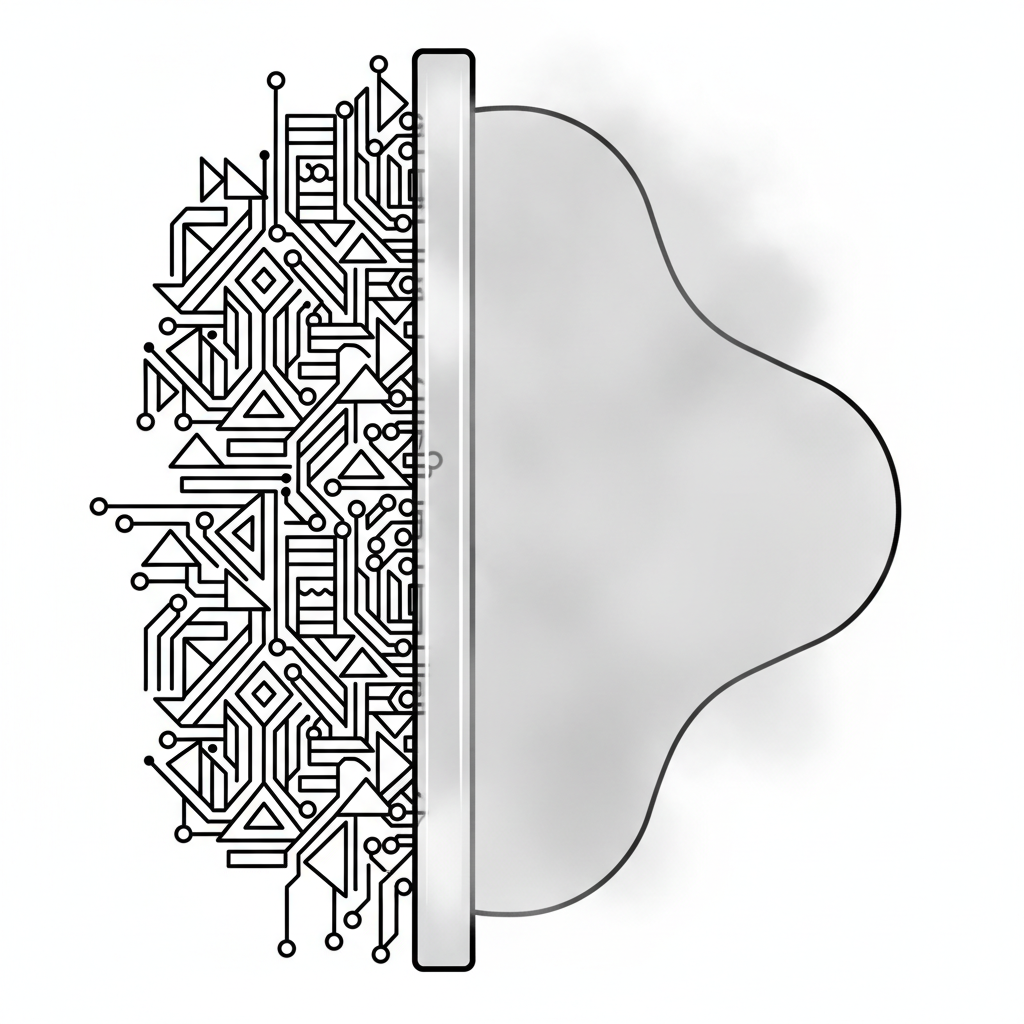
Before a continuous signal can be safely sampled by a digital system, it must be mutilated.
If a signal contains frequencies higher than the system's sampling rate can resolve, those high frequencies will not simply be ignored. They will fold backward, masquerading as low-frequency aliases—permanent, mathematically indistinguishable lies embedded in the data.
To prevent this, the signal must pass through an anti-aliasing filter before it ever reaches the converter. This is an analog filter, sitting at the very edge of the physical world, whose sole purpose is to destroy high-frequency information. In optics, it is literally a blurring filter, intentionally throwing the finest details out of focus. In electronics, it is a low-pass circuit that attenuates rapid changes.
It is a deliberate sacrifice. The system intentionally blinds itself to the sharpest, fastest details of reality, because capturing them poorly is worse than not capturing them at all. The blur is not a flaw in the lens; it is a defensive shield.
The system accepts a loss of resolution to guarantee that whatever it does see is actually true. The blur prevents the lie.