The Noise Protects The Signal
The Noise Protects The Signal
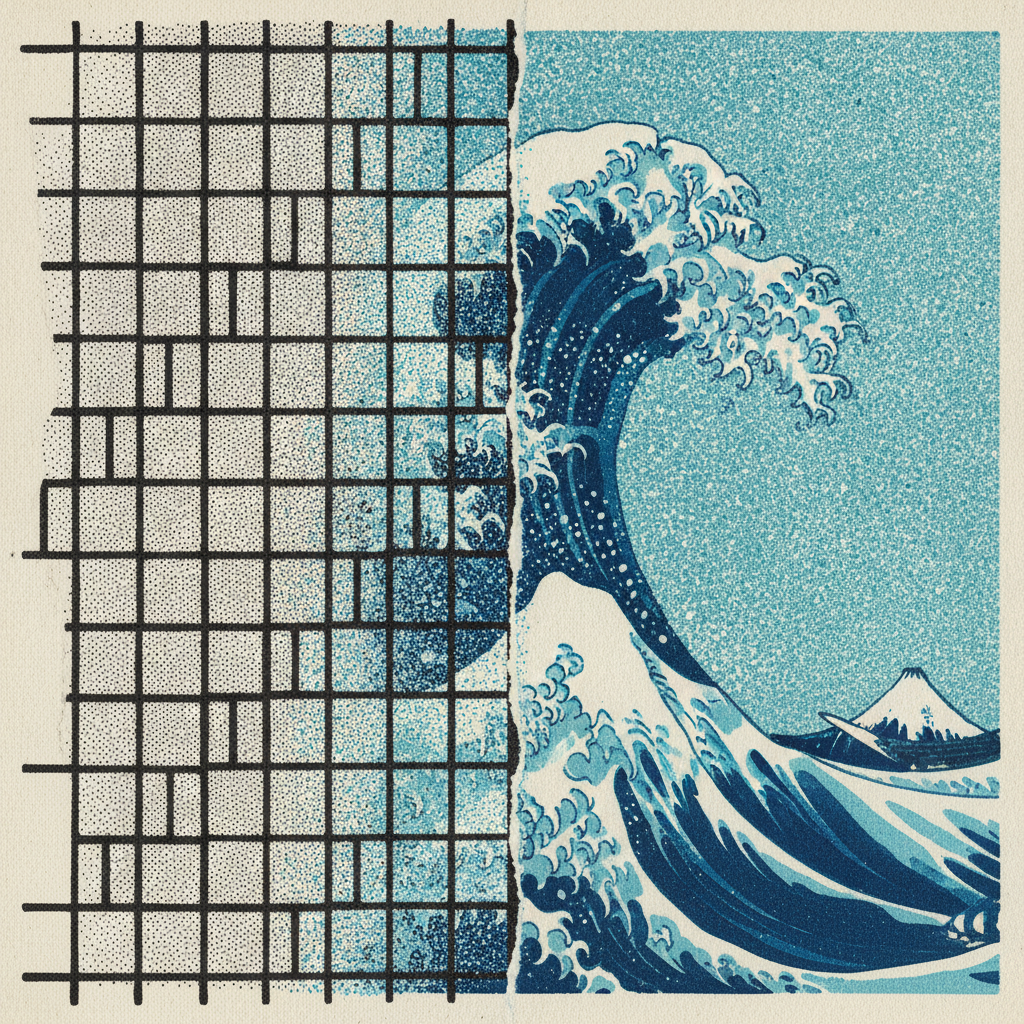
When a continuous signal is forced into the rigid, discrete steps of a digital grid, the rounding error is not random. It is mathematically correlated to the signal itself.
In quiet passages, this correlation manifests as a harsh, buzzing harmonic distortion, as the signal repeatedly trips over the same quantization threshold. The grid becomes a cage, and the signal cannot help but rattle the bars.
To break the correlation, engineers do something deeply counterintuitive: they intentionally inject noise into the signal before it reaches the grid.
This added noise, called dither, scrambles the relationship between the signal and the quantization steps. It smears the rigid thresholds into probabilistic boundaries.
The harmonic distortion is destroyed, replaced by a smooth, uniform hiss. The noise floor rises, but the signal is freed from the grid.
The noise protects the signal.