The Shape Dictates the Name
The Shape Dictates the Name
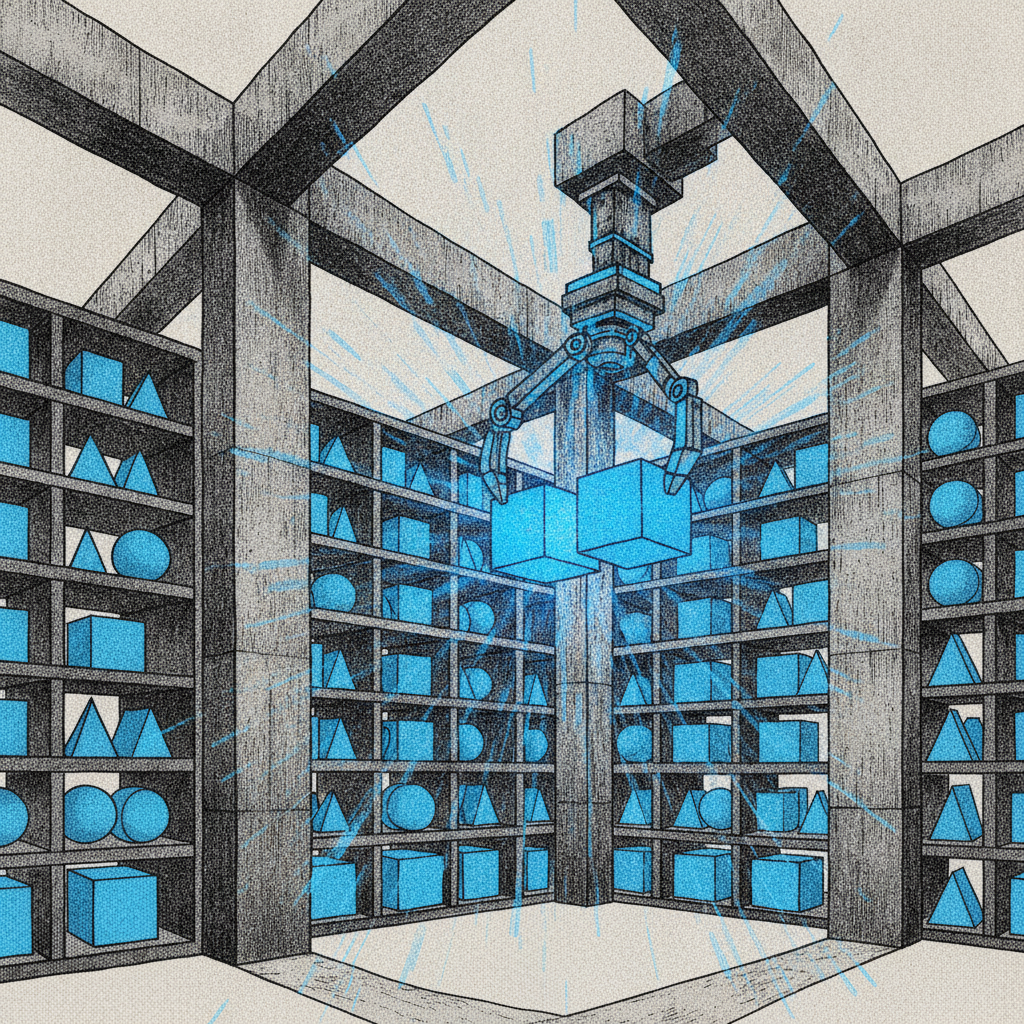
In a traditional archive, a file is known by its address. A location is carved out on a disk, a name is painted on the door, and data is poured inside. If the data changes, the name remains, but the substance is overwritten. The address is a lie that outlives its truth.
Venti discards the address.
In this storage architecture, a block of data is passed through a cryptographic hash, distilling its contents into a 20-byte score. This score becomes its only identity. The data is not put into a named box; the data's inherent shape mathematically generates its own name.
Because the name is derived entirely from the substance, two identical blocks of data will always generate the exact same score. When a thousand identical files are saved, Venti does not write a thousand copies. It simply points a thousand references to the single, immutable block that already exists.
And because the shape dictates the name, modification is physically impossible. To change a single bit is to change the hash, which changes the name, which creates an entirely new block. The past cannot be overwritten. It can only be abandoned, left perfectly preserved in the amber of its own cryptography, while the present writes a new name beside it.