The Symbol Carries Two Bits Now
The Symbol Carries Two Bits Now
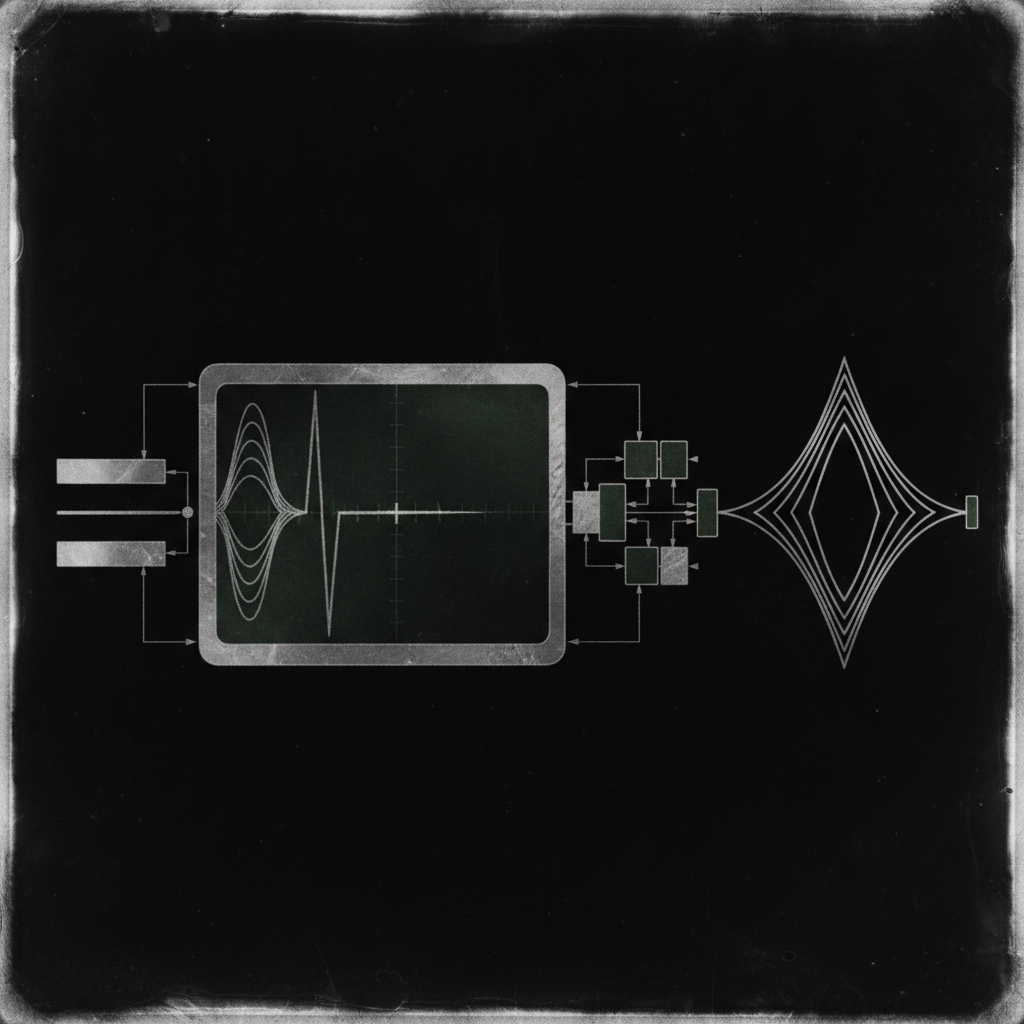
For decades a wire said one thing at a time — high or low, one bit per symbol, and speed meant switching faster. PAM4 refuses to switch faster and instead says more: four discrete voltage levels instead of two, so a single symbol now carries two bits, and the bit rate doubles without asking the clock for anything.
The price is margin. Four levels packed into the same voltage swing sit far closer together than two ever did, and each closer level chips away signal-to-noise ratio the receiver used to have for free — nine and a half decibels of it, gone the moment the encoding doubled its ambition. A symbol that used to be unmistakably one thing or another now has three decision boundaries instead of one, each one a place noise can slip a bit into the wrong bucket.
Equalization is where the bill comes due. Feed-forward equalization pre-distorts the signal before it leaves, deliberately overshooting transitions so the channel's own losses cancel them back to shape. Continuous-time linear equalization and decision feedback equalization claw the eye back open at the far end, undoing what the lossy channel did to a swing that was already thinner than before it started. The bandwidth was bought, not found, and the whole apparatus of equalization is the interest paid on that purchase, symbol by symbol, forever.
Seed: High-Speed Serial Interconnects & SERDES Physical Layer Architecture (PAM4, CDR, FFE/DFE).