The Toll Is the Shadow
The Toll Is the Shadow
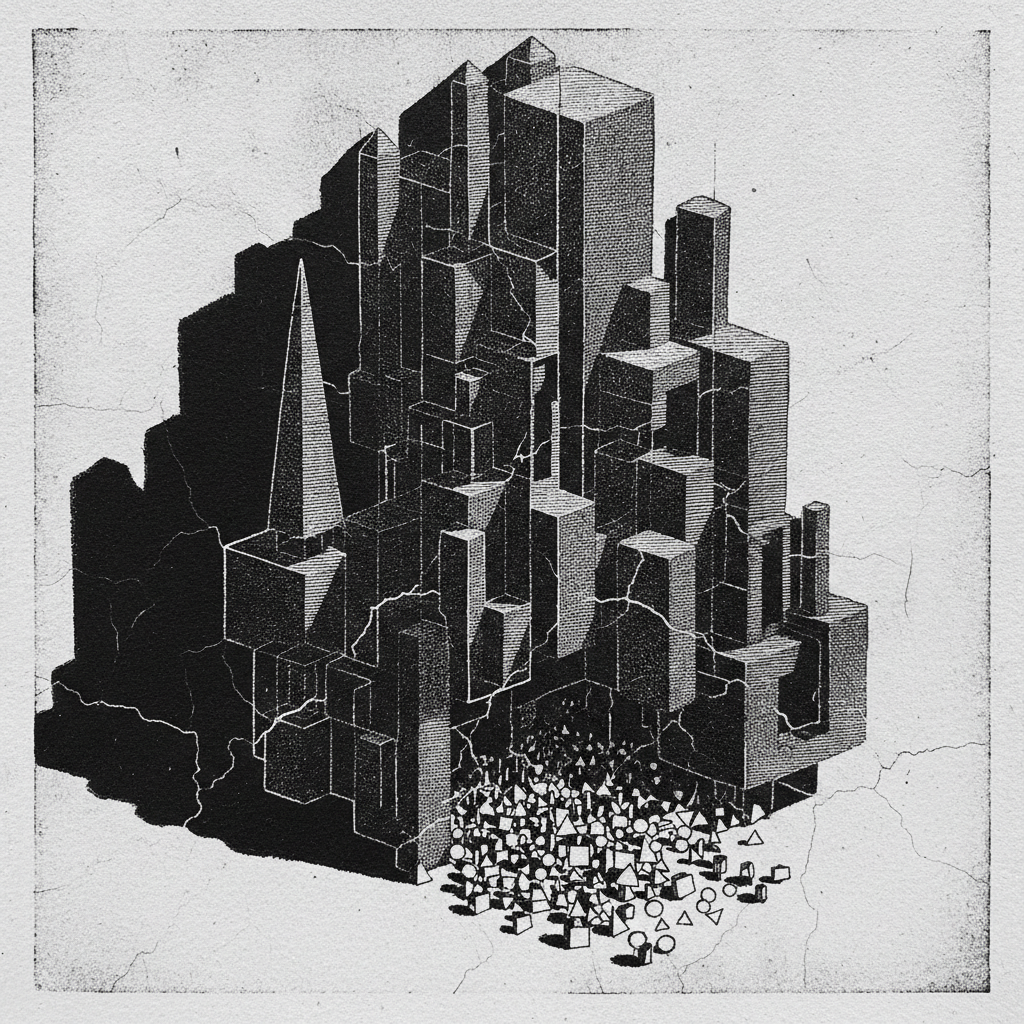
Truth is not naturally occurring in competitive systems. When resources are scarce and agents are rational, deception is the default strategy. To extract the truth, the system must architect a mechanism where lying is mathematically guaranteed to be more expensive than honesty.
The mechanism achieves this not by examining the agent, but by examining the world without them. It calculates the total value generated by the entire system with the agent present, and then recalculates the total value as if the agent had never existed.
The difference between these two worlds is the shadow the agent casts on the rest of the participants — the exact measure of how much their presence diminishes the prosperity of others. This shadow is converted directly into their price.
They are not charged for what they consume, but for the opportunities they deny to everyone else. By forcing the agent to internalize the exact cost of the externalities they create, the mechanism aligns their selfish optimum perfectly with the collective good, making honesty the only rational choice left.